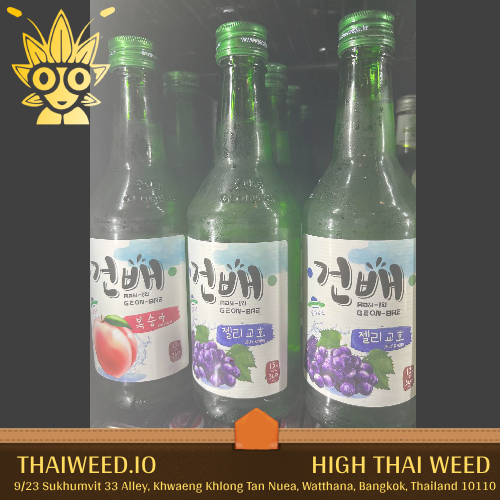
Soju

฿150

JINRO Soju Erdbeere ist eine Variante des beliebten koreanischen alkoholischen Getränks Soju, das mit dem Geschmack von Erdbeeren aromatisiert ist. Soju ist ein traditioneller koreanischer Reisalkohol mit einem Alkoholgehalt von normalerweise etwa 17-20 Volumenprozent. Die JINRO …More

Brand
Alcohol13%
Description

Buy Soju in Bangkok Thailand

Reviews (0)

Reviews

There are no reviews yet.

Be the first to review “Soju”
About Soju

Soju is Korea’s best-known clear alcohol, and it’s become a familiar sight in Bangkok—on restaurant tables, in karaoke rooms, and inside fridges next to craft beer. But “soju” covers a wider range than many people realize, from traditional distilled bottles to modern, lighter styles meant for easy drinking. This guide explains what the soju spirit is, how it’s made, how strong it is, how it tastes, and how to drink it—especially in Thailand.

What is soju, and is soju a spirit or liquor?

At its core, soju is a Korean alcoholic beverage that sits in the “spirit” family because it’s typically produced through distillation (or, in many modern versions, dilution of a distilled base). In everyday speech, people often say “liquor” to mean any strong alcohol, so you’ll hear both terms. The clearest answer: soju is generally considered a spirit, though specific production methods vary by brand and style.

So what is the “spirit in soju”? Most commonly, it’s a neutral alcohol base made from fermented starches. Depending on the producer, that base may be traditionally distilled or industrially distilled, then blended and diluted to the desired strength.

In Thailand, soju is often compared to vodka, but it’s not a perfect match. Soju tends to be lower in alcohol, softer on the palate, and slightly sweet or round compared to many vodkas.

Key takeaways for common questions:

  • Is soju a liquor or liqueur? It’s typically a liquor/spirit, not a liqueur (liqueurs are sweetened and flavored by definition).
  • Is soju whiskey or vodka? Neither. It may be vodka-like in clarity and neutrality, but it’s its own category with distinct traditions and ABV norms.
  • Difference between soju and makgeolli: Makgeolli is a milky, lightly sparkling fermented rice drink; soju is usually distilled (or made from diluted distilled alcohol).
Soju Spirit Guide Thailand ABV Taste Cocktails and Food Pairing

Soju Spirit Guide Thailand ABV Taste Cocktails and Food Pairing

Soju production method: is soju made from rice?

Traditionally, yes—soju can be made from rice. Classic Korean soju starts with rice, water, and a fermentation starter called nuruk. After fermentation, the alcohol is distilled, creating a cleaner, stronger spirit that can be enjoyed straight or diluted.

However, modern commercial soju expanded beyond rice for cost and supply reasons. Today, soju may be produced from a variety of starch sources, including:

  • Rice
  • Barley or wheat
  • Sweet potato
  • Tapioca

Many mainstream bottles use highly distilled neutral spirit (from one or more of the ingredients above), then blend with water and sometimes small amounts of sweetener to create the signature smoothness. This helps explain why different brands can taste surprisingly different even at similar strengths.

If you enjoy exploring flavors the way you might compare cannabis strains—say, a citrus-forward Super Lemon Haze versus a creamy, dessert-like Gelato—you’ll notice soju has its own “spectrum.” Traditional rice-distilled styles can show subtle grain character, while highly neutral, diluted styles are more about clean drinkability.

How strong is soju? Typical soju ABV range and how it tastes

One reason soju is so popular in social settings is that it often sits at a “sweet spot” of strength. The typical soju ABV range depends on the style:

  • Common modern soju: about 12%–20% ABV
  • Classic/stronger bottles: often 20%–25% ABV (sometimes higher)
  • Traditional craft-distilled styles: can be 25%–40%+ ABV, depending on the producer

So, how strong is soju compared to other drinks?

  • Stronger than beer and most wine
  • Usually weaker than vodka, gin, rum, and whiskey (often 40% ABV)

Does soju taste like vodka? It can feel similar in that it’s clear and often clean-tasting, but many sojus are less aggressive than vodka. Expect a smoother texture, mild sweetness, and a lighter “burn,” especially in lower-ABV versions.

Unflavored vs flavored soju is another big difference in taste:

  • Unflavored soju: neutral, slightly sweet, easy to sip chilled; best for pairing with food.
  • Flavored soju: fruit-forward (grape, peach, lychee, etc.), often sweeter, and typically lower ABV; can drink like a ready-to-go mixer.

In Bangkok nightlife, flavored soju is common for casual drinking, while unflavored soju is often chosen for Korean BBQ meals or classic shot-and-beer routines.

How to drink soju: serving, popular soju cocktails, and food pairing

Soju is flexible. You can drink it straight, on the rocks, or mixed—making it easy to fit into different nights out in Thailand, from a low-key dinner to a louder bar hop. If you’re browsing different drinks for a session with friends, soju is one of the easiest bottles to share because it doesn’t demand a complicated setup.

How to drink soju (simple methods):

  • Chilled and neat: The most common. Keep it cold for a smoother sip.
  • Over ice: Opens it up and slows the pace.
  • With beer (a common combo): Popular in Korean drinking culture; it can hit fast, so go slow.
  • With soda water or tonic: Light, refreshing, and easy to tailor.

Popular soju cocktails you’ll see in Bangkok (or can make at home):

  • Soju + soda + citrus: Add lime/lemon; clean and sessionable.
  • Soju + grapefruit or yuzu mixer: Bright and slightly bitter-sweet.
  • Soju mule-style: Ginger beer, lime, and chilled soju for a spicy kick.
  • Soju “highball”: Tall glass, lots of ice, soda water, optional mint.

Soju pairing with Korean food is where unflavored bottles shine. The clean profile works with big flavors and fats:

  • Samgyeopsal (pork belly): Soju cuts richness and resets your palate.
  • Fried chicken: Crisp, salty, spicy—soju keeps it light.
  • Tteokbokki and spicy stews: Cooling contrast to heat.
  • Kimchi and banchan: The mild sweetness balances tang and spice.

If cannabis is part of your evening, keep it intentional: mixing THC with alcohol can amplify impairment. Consider lower-ABV soju, smaller pours, and slower pacing—especially with potent strains or edibles, which can take longer to hit.

Where to buy soju in Thailand, plus storage and shelf life

Where to buy soju in Thailand depends on your location and what selection you want. In Bangkok, soju is commonly found at:

  • Large supermarkets with imported alcohol sections
  • Korean grocery stores and specialty import shops
  • Restaurants and bars (especially Korean BBQ spots and nightlife venues)

If you’re planning a night that blends East Asian bar culture—food, shared bottles, and a social atmosphere—check out a Japanese bar in Bangkok guide as well. Many venues and neighborhoods overlap in vibe, and you’ll often find soju on menus alongside other regional spirits and highballs.

Soju storage and shelf life is simple:

  • Unopened: Store upright in a cool, dark place. It’s shelf-stable for a long time.
  • Opened: Reseal tightly and keep cool. For best taste, finish within a few weeks—flavors can flatten over time.
  • Flavored soju: Treat it more like a ready-to-drink beverage; keep it chilled and aim to finish sooner after opening.

One practical tip in Thailand’s heat: if you’re carrying bottles around, avoid leaving them in a hot car or direct sun. Heat won’t usually “spoil” soju quickly, but it can dull aroma and make the alcohol edge more noticeable.

Conclusion: Soju is a Korean spirit known for its clean taste, approachable strength, and easy mixability. Whether you prefer traditional rice-based character or modern smooth, lightly sweet bottles, understanding ABV, production style, and serving options makes it easier to choose the right soju for your night in Bangkok. Drink it chilled, pair it with bold food, and if cannabis is involved, keep the pace steady so the experience stays enjoyable and in control.