★ Bangkok: Free Delivery 🛡️ Nationwide: Fast & Secure Shipping


Filter by price
Bong
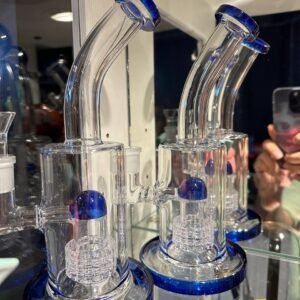
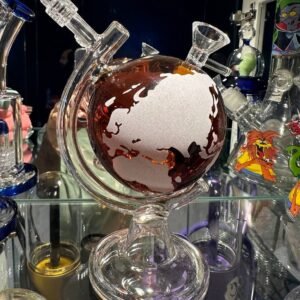
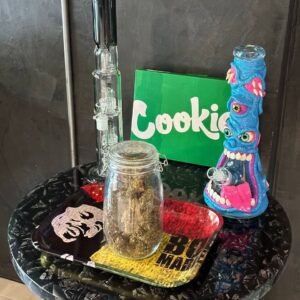
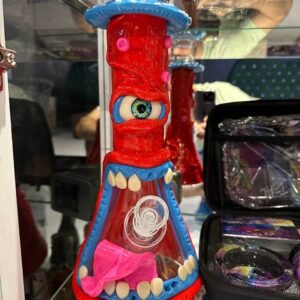
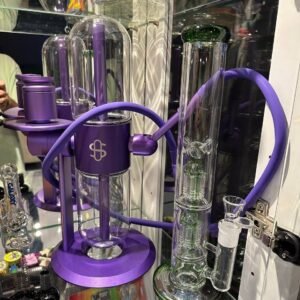

Baby Yoda Bong
5.0
Looking for the best bong in Bangkok? High Thai Weed offers a premium collection of glass bongs and smoking accessories designed for cannabis enthusiasts who want a smoother and more enjoyable experience.
Our bong collection includes unique glass designs, luxury bongs, compact options, and high-quality pieces from trusted manufacturers. Whether you are searching for a classic glass bong, a stylish collector piece, or a premium water filtration bong, you can find the right option in our Bangkok store.
Browse our latest bong collection and choose from different sizes, styles, and designs with fast delivery available across Thailand.
What Is a Bong and What Is It Used For?
A bong is a water pipe used for smoking dry herbs, most commonly cannabis flower. Smoke passes through water before inhalation, which helps cool the smoke and catch some ash or heavier particles before they reach your mouth.
That water filtration is why many cannabis users prefer bongs over dry pipes or quick joints. The hit can feel cooler, fuller, and less harsh when the bong is set up correctly.
The basic bong meaning is simple: a smoking device with a bowl, downstem, water chamber, mouthpiece, and airflow path. Designs vary from small travel-friendly pieces to large glass bongs with percolators, ice pinches, and ash catchers.
In Bangkok, bongs are usually chosen by people who smoke flower at home, in private accommodations where allowed, or in cannabis-friendly lounges. In areas like Sukhumvit, Asok, Phrom Phong, Thonglor, and Ekkamai, the culture tends to be more comfort-focused than chaotic: people often want smoother sessions, cleaner gear, and less smell lingering on clothes compared with casual street-style smoking.
Bong Parts Explained Before You Buy
Understanding bong parts makes shopping much easier. It also helps you avoid common beginner mistakes, like buying a replacement bowl that does not fit your joint size.
Common Bong Parts
- Bowl: The removable piece where dry herb is packed and lit.
- Downstem: The tube that carries smoke from the bowl into the water chamber.
- Chamber: The main body that holds water and smoke.
- Mouthpiece: The top opening where you inhale.
- Joint: The connection point between the bong, downstem, bowl, or accessories.
- Carb hole: A small airflow hole found on some bongs, though many glass bongs use a removable bowl instead.
- Percolator: An internal filtration feature that breaks smoke into smaller bubbles for smoother cooling.
- Ice pinch: Small glass notches that hold ice above the water chamber.
Most modern glass bongs use standard joint sizes, commonly 10mm, 14mm, or 18mm. For a first bong, 14mm is often the safest and most convenient choice because replacement bowls and accessories are widely available.
Bong Bowl Size: Small, Medium, or Large?
Bong bowl size affects pacing. A large bowl can look appealing, but it can encourage overpacking, especially for beginners or tourists trying Thai flower with higher THC levels than expected.
A smaller bowl is better for controlled hits, solo sessions, and testing a new strain. A medium bowl works well for two people. Large bowls are better for experienced smokers sharing with a group, not for someone learning how to use a bong for the first time.
Glass Bong vs Acrylic Bong vs Silicone Bong
Material choice matters because Bangkok’s heat, apartment living, travel habits, and cleaning routines all affect what feels practical. A beautiful glass piece may be ideal for a condo setup, while silicone may be more realistic for clumsy handling or frequent movement.
Glass Bong
A glass bong gives the cleanest taste and is usually preferred by people who care about terpene flavor. Borosilicate glass is the standard for better heat resistance and durability.
Glass also lets you see resin buildup, old water, and clogs clearly, which encourages better bong maintenance. The downside is obvious: glass can break if dropped on tile floors, and many Bangkok condos have exactly the kind of hard flooring that punishes careless handling.
Acrylic Bong
Acrylic bongs are lightweight and affordable. They are useful if your main priority is price, portability, or a simple starter piece.
The trade-off is taste and cleaning. Acrylic can hold odor more than glass, scratch more easily, and feel less premium over time. If you smoke flavorful flower and care about clean terpene expression, acrylic is usually not the best long-term choice.
Silicone Bong
A silicone bong is flexible, durable, and travel-friendly. It is a good choice for people who want something hard to break, especially if they are moving between apartments, hotels, or private smoking spaces.
Look for food-grade silicone and a removable glass bowl. Full silicone pieces are convenient, but a glass bowl keeps flavor cleaner where heat is applied.
How to Use a Bong Properly
Learning how to use a bong is mostly about water level, airflow, and pacing. Beginners often take too large a hit because the smoke feels cooler at first, then becomes stronger a few seconds later.
Step-by-Step Bong Setup
- Add water: Fill until the downstem slits or bottom opening are just submerged.
- Check airflow: Inhale without lighting. You should hear bubbling without sucking water into your mouth.
- Grind lightly: Use a medium grind. Powder-fine flower can clog the bowl and downstem.
- Pack gently: Do not compress the bowl too tightly. Air needs to move through the flower.
- Light the edge: Corner the bowl instead of burning the whole surface at once.
- Inhale slowly: Let smoke build gradually rather than pulling as hard as possible.
- Clear the chamber: Remove the bowl or open the carb and inhale the remaining smoke.
For beginners, the best bong hit tips are simple: use less flower than you think, keep your inhale slow, and wait several minutes before taking another hit. In Bangkok lounges, staff may suggest starting small, especially if you are trying a strong indica, hybrid, or unfamiliar imported flower.
Bong Water Level: How Much Is Right?
The correct bong water level depends on the design, but the rule is consistent: the bottom of the downstem should be covered by water, usually by about 1–2cm. Too little water means poor filtration. Too much water creates splashback and makes pulling harder.
For percolator bongs, each percolator section may need its own water level. Add water slowly, test the draw, and adjust until bubbling feels smooth without resistance.
Bong Water Temperature Tips
Cool water gives a crisp hit and is popular in Bangkok’s hot season. Some smokers add ice if the bong has an ice pinch, but too much ice can make the hit feel deceptively smooth and encourage overconsumption.
Warm water can feel gentler on the throat for some users, especially in air-conditioned rooms where dry air irritates the throat. Avoid boiling or very hot water, which can stress glass and create safety risks.
Bong vs Hookah: What Is the Difference?
Bong vs hookah is a common comparison, especially among visitors who have seen shisha lounges before. Both use water, but they are not the same device and they are not used in the same way.
A bong is usually designed for dry herbs and short, direct inhalation. A hookah is designed for flavored tobacco or herbal molasses, longer social sessions, charcoal heating, and hoses.
- Bong: Quick sessions, direct hits, dry cannabis flower, smaller water chamber.
- Hookah: Long sessions, flavored shisha, charcoal heat, shared hose setup.
- Bong maintenance: Frequent water changes and resin removal.
- Hookah maintenance: Charcoal handling, hose cleaning, bowl residue management.
In Thailand, cannabis and tobacco rules can differ by venue, and public smoking can create legal or nuisance issues. A cannabis bong should be used only where consumption is allowed and socially appropriate, not casually on sidewalks, near BTS exits, hotel balconies, or shared condo spaces.
Percolators, Ash Catchers, and Bong Accessories Worth Considering
Not every accessory is necessary. A simple beaker bong can work extremely well if it is stable, easy to clean, and matched with the right bowl. Still, certain upgrades can improve comfort and cleanliness.
What Is a Percolator Bong?
A percolator bong has extra filtration inside the glass. The percolator diffuses smoke into smaller bubbles, increasing water contact and cooling. Common styles include tree percs, honeycomb percs, showerhead percs, and inline percs.
The benefit is smoother smoke. The downside is cleaning. Complex percolators trap resin in small spaces, especially if you use sticky flower. For everyday use, beginners often do better with a simple beaker or straight tube before moving into multi-perc designs.
What Does a Bong Ash Catcher Do?
A bong ash catcher attaches between the bowl and the bong joint. It catches ash and some resin before they enter the main chamber, helping keep water cleaner for longer.
Ash catchers are useful if you smoke often, share with friends, or dislike cleaning the main bong every few sessions. Make sure the joint size and angle match your bong. A heavy ash catcher on a small glass piece can make the whole setup unstable.
Useful Bong Accessories List
- Replacement bowl: Helpful because bowls are the easiest part to drop or break.
- Screens: Reduce ash pull-through and clogging.
- Cleaning plugs or caps: Make shaking cleaning solution easier and less messy.
- Pipe cleaners or brushes: Useful for downstems and tight corners.
- Ash catcher: Keeps the main chamber cleaner.
- Grinder: Helps airflow and prevents uneven burning.
- Storage case: Useful for smaller pieces or tourists transporting accessories safely.
If you are building a full bong smoking setup, it is worth browsing related smoking accessories rather than buying the bong alone. A cleaning solution, grinder, and spare bowl often matter more in daily use than decorative extras.
How to Clean a Bong and Keep It From Tasting Bad
Old bong water and resin buildup are the fastest ways to ruin good flower. If your bong tastes bad, smells sour, pulls poorly, or leaves dark residue around the waterline, it is overdue for cleaning.
How Often Should You Clean a Bong?
Change bong water after every session if possible. In Bangkok’s warm climate, water left overnight can smell unpleasant quickly, especially if the bong sits near sunlight or in a humid room.
For regular smokers, a light rinse daily and a deeper clean every few days is realistic. Occasional smokers should clean before storing the bong, not after leaving residue to harden for a week.
How to Remove Bong Resin
The common method is a bong cleaning solution or isopropyl alcohol with coarse salt. The alcohol loosens resin, while salt acts as a gentle abrasive. Use plugs or caps, shake carefully, then rinse thoroughly with warm water.
For stubborn downstem resin, soak the piece separately. Avoid scraping aggressively with metal tools, especially on glass joints, because small chips can affect fit and safety.
How to Stop a Bong From Clogging
- Use a medium grind instead of powder-fine flower.
- Do not overpack the bowl.
- Use a screen if ash keeps pulling through.
- Empty ash before it becomes wet and sticky.
- Rinse the downstem regularly.
- Consider an ash catcher if you smoke often.
How to Prevent Mold in a Bong
Never leave dirty water sitting for days. Mold and bacteria risk increases when moisture, plant particles, warmth, and poor airflow combine. Bangkok’s humidity makes lazy bong maintenance more noticeable than in cooler climates.
After cleaning, let parts dry before storage. If a bong has a persistent musty smell even after rinsing, do a deeper soak and inspect the percolators or downstem for trapped residue.
Best Bong for Beginners in Bangkok
The best bong for beginners is usually not the biggest or most complicated. A stable medium-sized beaker bong is often easier to use, harder to tip over, and more forgiving with water level than a narrow straight tube.
For first-time buyers, look for:
- Medium height: Around 20–30cm is manageable for home use.
- Stable base: Beaker bases are less likely to tip on small tables.
- Simple design: Fewer percolators means easier cleaning.
- 14mm joint: Convenient for replacement bowls and accessories.
- Thick glass: Better durability for regular handling.
- Easy grip: Important if you are using it in a lounge or shared setting.
Tourists often underestimate the practical side. If you are staying near Nana, Asok, or Phrom Phong, your room may be compact, smoke-sensitive, or covered by hotel rules. A smaller piece or lounge-based setup may be smarter than buying a large bong you cannot comfortably use or transport.
Flower choice also changes the experience. Dense, high-THC strains can hit harder through a bong than expected, while lighter daytime strains may feel more manageable. If you are comparing cannabis strains to try in a bong, start with modest bowl sizes until you understand the potency.
Bangkok Bong Etiquette, Legality, and Where to Use One
Are bongs legal? In Thailand, the device itself is generally sold as a smoking accessory, but cannabis rules and venue policies can change. Public nuisance laws still matter, and smoking in public spaces can create problems even if you bought cannabis legally.
The safer approach is simple: use a bong only in private spaces where smoking is allowed or in cannabis-friendly venues that clearly permit consumption. Do not assume hotels, balconies, rooftops, or condo common areas are acceptable.
Bangkok cannabis lounges vary by neighborhood. Sukhumvit and Phrom Phong often attract tourists and expats looking for comfortable seating, air-conditioning, and staff guidance. Thonglor and Ekkamai tend to feel more polished and discreet. Around Nana and Asok, the atmosphere may be more casual and tourist-heavy, so etiquette becomes even more important.
Basic lounge etiquette includes:
- Ask before using your own bong or flower.
- Do not pressure beginners into large hits.
- Keep water pieces stable and away from table edges.
- Clean the mouthpiece if sharing.
- Respect non-smoking areas and neighboring businesses.
- Do not carry a loaded bong through public areas.
If you plan to consume on-site, check the venue’s smoking lounge rules and setup before arriving. Good lounges care about airflow, comfort, staff supervision, and keeping sessions low-key rather than disruptive.
Where to Buy a Bong in Bangkok
If you are searching for a bong near me or where to buy a bong in Bangkok, focus on product fit rather than just bong price. Cheap pieces can work, but poor glass thickness, awkward joint angles, and hard-to-clean designs become frustrating quickly.
Before buying, check:
- Does the bong sit flat without wobbling?
- Is the glass thick enough for daily handling?
- Can you remove and clean the downstem easily?
- Is the bowl size suitable for solo use or sharing?
- Are replacement parts available?
- Does the shop explain water level and cleaning?
For Bangkok buyers, BTS accessibility matters more than many people expect. Carrying a boxed glass bong through busy streets in midday heat is not ideal. If you are staying around Sukhumvit, Asok, or Phrom Phong, choosing a convenient shop or delivery option can be more practical than crossing the city for a minor price difference.
FAQ About Bongs
Is a bong healthier than a joint?
A bong can cool smoke and filter some ash, but it still involves inhaling combusted plant material. It may feel smoother than a joint, yet smoother does not mean risk-free. If health impact is your main concern, consider lower-temperature or non-combustion methods instead.
What is a bong used for?
A bong is used for smoking dry herbs through water filtration. Cannabis users often choose bongs for cooler, fuller hits and a more controlled home or lounge setup compared with rolling joints.
Why do stoners use bongs?
Many cannabis users like bongs because they produce strong, smooth-feeling hits with less rolling effort. Bongs also make it easier to take small controlled bowls, share in a private setting, and taste flower more clearly when the glass is clean.
Is smoking a bong good for beginners?
A bong can be beginner-friendly if the piece is simple and the bowl is packed lightly. New users should avoid oversized bowls, strong repeated hits, and complicated percolator bongs until they understand their tolerance.
Does bong water need to be changed every time?
Yes, ideally. Fresh water improves taste, smell, and hygiene. In Bangkok’s warm climate, old bong water can become unpleasant quickly, so changing it after each session is a good habit.
Why does my bong taste bad?
Bad taste usually comes from dirty water, resin buildup, clogged downstems, or old ash trapped in the bowl. Clean the bong thoroughly, rinse well, use fresh water, and avoid leaving wet residue sitting between sessions.
A good bong should match your routine, not just your budget. For most Bangkok smokers, the smartest choice is a stable, easy-to-clean piece with a sensible bowl size and accessories that support maintenance. Keep the water fresh, respect local venue rules, and start with smaller hits than you think you need. That approach makes the experience smoother, cleaner, and far more enjoyable.