★ Bangkok: Free Delivery 🛡️ Nationwide: Fast & Secure Shipping





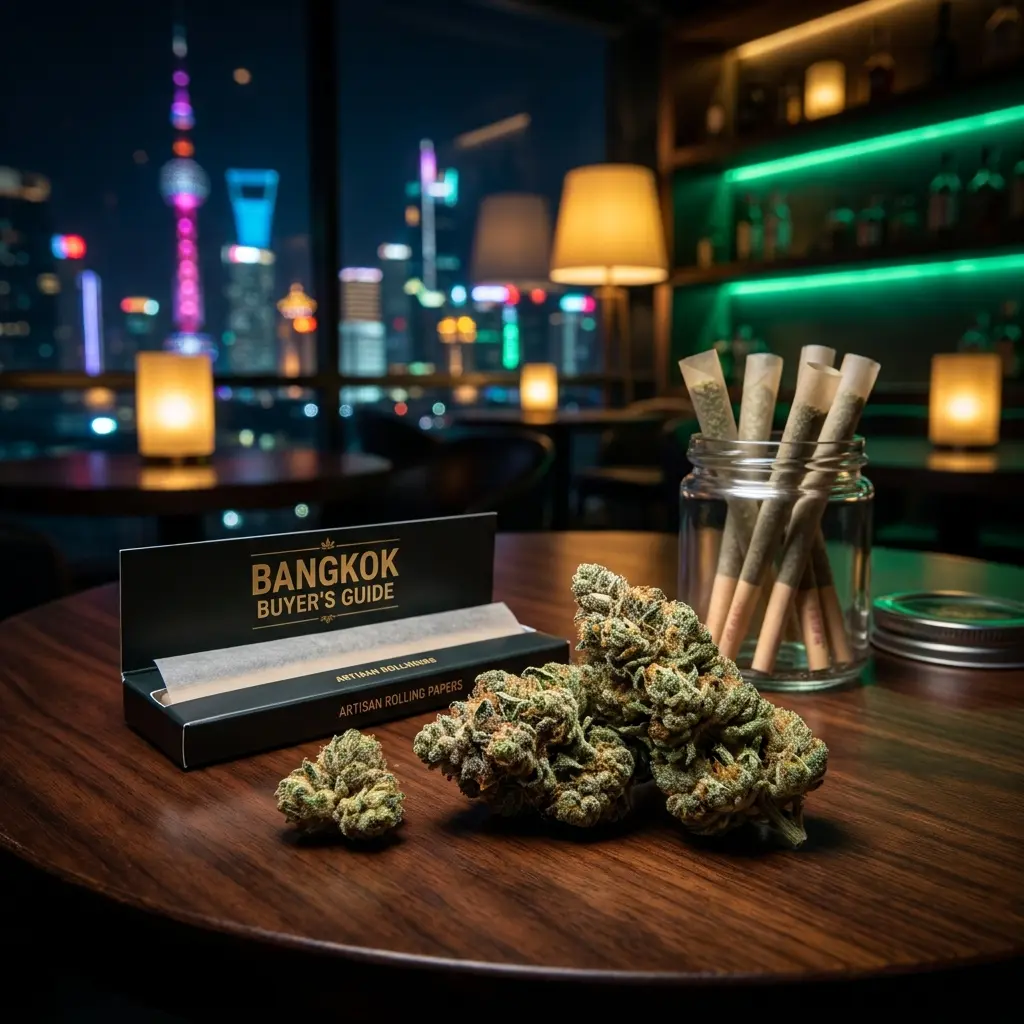
Choosing rolling papers and pre-rolled cones sounds simple until you’re standing in a Bangkok dispensary looking at hemp, rice, wood pulp, king size, slim, organic, unbleached, flavored, filtered, and “slow burn” options. The right choice affects airflow, taste, burn speed, and how easy the joint is to prepare. This rolling papers and pre-rolled cones buyer guide breaks down what matters before you buy, especially if you’re shopping around Sukhumvit, Asok, Nana, Thonglor, or ordering smoking accessories (rolling papers, cones, filters, and more) for a lounge session or hotel-friendly night in.
Rolling Papers vs Pre-Rolled Cones: Which Should You Buy?
Rolling papers are flat sheets you roll by hand. Pre-rolled cones are already shaped into a cone with a tip or filter in place, so you only need to fill, pack, twist, and light. Both can make a good joint, but they suit different smokers.
Rolling papers are better if you:
- Already know how to roll or want to learn
- Prefer controlling the shape, tightness, and airflow
- Use different amounts of flower depending on the session
- Want a compact pack that fits easily in a pocket or small bag
- Enjoy the ritual of rolling before smoking
Pre-rolled cones are better if you:
- Are a beginner or tourist who does not want to struggle with rolling
- Want consistent shape and airflow
- Are preparing joints for a small group
- Have limited time before heading to a lounge, rooftop, or private space
- Prefer less mess when packing flower
In Bangkok, cones are especially popular with visitors staying around BTS-friendly areas like Phrom Phong, Asok, and Ekkamai. Many tourists buy flower, a grinder, and a cone pack together because it removes the most annoying part of the process: trying to roll neatly in a hotel room, balcony area, or lounge corner.
Rolling papers still have a loyal following among regular smokers because they offer more control. A hand-rolled joint can be slimmer, looser, tighter, shorter, or more discreet depending on the situation. If you care about burn style and feel confident with your hands, papers give you more flexibility.
How to Choose Rolling Papers: Material, Thickness, Size, and Burn
A good rolling papers buyer guide should start with material. The paper is not just a wrapper; it influences flavor, speed, harshness, and how forgiving the joint is when rolled.
Natural hemp rolling papers
Natural hemp rolling papers are a reliable all-round choice. They usually have a balanced texture, decent grip, and a clean enough flavor for most cannabis strains. Hemp papers are especially beginner-friendly because they are less slippery than some ultra-thin rice papers.
If you’re pairing papers with aromatic Thai-grown flower or terpene-heavy imported strains, hemp is a safe middle ground. It does not usually overpower the cannabis, but it gives enough structure to roll without tearing too easily.
Rice rolling papers
Rice papers are usually thin, light, and slow burning. They are popular with people who want less paper taste and a cleaner smoking experience. The trade-off is that rice papers can feel slippery and fragile, especially in humid weather.
Bangkok humidity matters here. If you keep rice papers in a loose pocket during a hot walk from Nana to Asok, they may become harder to separate or roll cleanly. Store them flat and dry whenever possible.
Wood pulp rolling papers
Wood pulp papers are thicker and easier to handle. They are not always the first choice for flavor purists, but they are practical for beginners because they resist tearing and hold shape well.
If someone is learning how to roll a joint with rolling papers for the first time, a slightly thicker paper can be less frustrating than an ultra-thin option. Once the technique improves, moving to thinner papers becomes easier.
Organic, unbleached, and natural papers
Organic rolling papers are made with organically grown plant material, while unbleached rolling papers avoid the whitening process used in many traditional papers. These are common choices for smokers who want a more natural accessory setup.
“Organic” and “unbleached” do not automatically mean the paper will roll better or burn slower. Look at the full product: material, thickness, gum quality, packaging freshness, and brand consistency all matter.
Thin vs thick rolling papers
A practical rolling paper thickness guide looks like this:
- Ultra-thin papers: Less paper taste, slower burn, but easier to tear and harder for beginners.
- Thin papers: Good balance for regular smokers who want flavor without too much fragility.
- Medium papers: Easier to roll, better for beginners, slightly more paper presence.
- Thicker papers: Durable and forgiving, but can burn faster or taste more papery.
The best rolling papers for joints are not always the thinnest. If the paper tears, runs down one side, or goes out every few pulls, the “premium” choice becomes annoying. Match the paper to your skill level and setting.
Pre-Rolled Cone Buyer Guide: Sizes, Filters, and Packing Style
Pre-rolled cones remove the rolling step, but you still need to choose the right size and pack them properly. A cone that is too large for your session can waste flower, while a cone that is packed too tightly may not pull well.
Cone size chart: common options
- 1 1/4 size cones: Good for solo use or two light smokers. Usually a practical everyday size.
- King size cones: Better for sharing between two or three people, depending on tolerance and flower strength.
- King size slim cones: Longer but narrower. Good for a smoother pace and less bulky feel.
- Party cones: Large novelty-style cones for groups. Best used carefully and not ideal for beginners.
- Mini cones: Useful for small amounts, short sessions, or testing a new strain.
The difference between king size and regular rolling papers or cones is mostly length and capacity. King size gives more room for flower and usually a longer session. Regular sizes are easier to finish without overdoing it.
If you’re buying cannabis flower to pair with papers and pre-roll cones, think about potency before choosing cone size. A large cone filled with strong flower can be much more than a casual smoker expects, especially in Bangkok’s warm weather where dehydration and fatigue can creep up quickly.
Filter vs non-filter pre-rolled cones
Most modern pre-rolled cones include a paper tip or crutch. This is not the same as a cigarette filter. It does not usually “filter” the smoke heavily; it mainly improves structure, airflow, and comfort.
Filtered or tipped cones are better for:
- Keeping flower from pulling into your mouth
- Maintaining an open airway at the end of the joint
- Making the cone easier to hold
- Preventing the end from becoming soggy or collapsing
- Helping beginners pack more consistently
Non-filter joints may appeal to:
- Experienced rollers who prefer a traditional feel
- Smokers who like smaller, custom shapes
- People who use separate glass or reusable tips
For most buyers, especially beginners, pre-rolled cones with tips are the easier choice. They are cleaner, more stable, and less likely to waste flower.
How many cones come in a pack?
Cone packs vary widely. Small packs may include 3 to 6 cones, while larger boxes can include 20, 50, or more. If you smoke occasionally, a small pack is usually enough. If you’re buying for a group trip, a longer stay, or a lounge-friendly setup, larger packs can be more convenient.
Check whether the pack includes a packing stick. It is a small detail, but it makes filling cones much easier, especially if you are not used to getting the density right.
Matching Papers and Cones to Flower, Grinder Size, and Smoking Style
Good joints start before the paper. Flower moisture, grind consistency, and packing pressure all affect the final smoke.
A medium grind works best for most rolling papers and cones. If the grind is too chunky, the joint may burn unevenly and feel lumpy. If it is too powdery, airflow can become tight and harsh. This is why compatibility with different grinder sizes matters.
- Two-piece grinders: Often produce a chunkier grind. Good for hand rolling if you break pieces down evenly.
- Four-piece grinders: Usually produce a more consistent grind, helpful for cones.
- Very fine grinders: Can over-process dry flower, making cones too tight if packed heavily.
For sticky flower, let it breathe briefly before grinding if it feels too dense. For dry flower, handle it gently because it can turn dusty quickly. Bangkok’s air-conditioned rooms can dry flower out, while outdoor humidity can soften papers and affect burn.
How to avoid tearing rolling papers
- Do not overfill the paper before shaping it
- Keep fingertips dry before handling thin rolling papers
- Use a gentle tuck instead of forcing the paper under the flower
- Avoid licking too much gum; a light touch is enough
- Store papers away from humidity, heat, and crushed pockets
If papers keep tearing, switch to a slightly thicker hemp paper or use cones until your rolling technique improves. There is no shame in using cones; many experienced smokers use them when convenience matters.
How to pack a cone without ruining airflow
Fill the cone gradually rather than dumping all the flower in at once. Add a small amount, tap the cone lightly, then press gently with the packing stick. Repeat until full.
The key word is gently. A cone packed too tightly near the tip will feel blocked. A cone packed too loosely will burn hot and unevenly. Aim for firm but springy, similar to how a well-packed cigarette feels between the fingers.
Flavored, Wide, Slow-Burning, and Specialty Papers: When Are They Worth It?
Flavored rolling papers can be fun, but they are not always the best choice for premium cannabis. If you buy flower for its terpene profile, a strong blueberry, grape, mango, or mint paper can cover the natural flavor.
Flavored papers make more sense for casual social sessions, lower-aroma flower, or smokers who enjoy a sweeter edge. In more discreet Bangkok lounges, especially around Thonglor or Phrom Phong, many customers lean toward cleaner papers because the setting is more relaxed and flavor-focused than party-driven.
Slow burning rolling papers are useful when you want a longer, calmer session. Thin rolling papers and rice papers are often chosen for this reason, but burn speed also depends on flower moisture, grind, airflow, and how tightly the joint is packed.
Wide rolling papers are useful for people who like hand-rolling larger joints or adding a filter tip with more room to shape the tuck. They are not always beginner-friendly because more paper means more surface to control. If you are new, pre-rolled cones may be easier than trying to manage extra-wide papers.
What to look for in a rolling paper brand
- Consistent gum line: Weak gum causes peeling and canoeing.
- Even paper texture: Prevents random fast-burning spots.
- Fresh packaging: Papers should not feel brittle, damp, or stuck together.
- Clear material labeling: Hemp, rice, wood pulp, organic, or unbleached should be easy to identify.
- Beginner-friendly options: Good brands usually offer both classic papers and cones.
Recommended rolling paper brands for beginners are usually the ones with consistent quality and easy availability, not necessarily the most expensive pack. RAW, OCB, Elements, Smoking, Gizeh, and similar established names are common reference points, but availability can vary by shop.
Bangkok Buying Tips: Etiquette, Storage, and Legal Awareness
Buying papers or cones in Bangkok is straightforward, but using them responsibly matters. Cannabis culture in areas like Sukhumvit, Nana, and Ekkamai is visible, yet public smoking is still treated differently from private or lounge-based use.
Many visitors assume that buying cannabis accessories means they can smoke anywhere. That is not the case. Be careful around hotels, sidewalks, BTS stations, shared condos, and restaurant terraces. Smoke smell travels fast in humid evening air, and complaints can create problems even when the product itself was legally purchased.
If you plan to roll or smoke in a venue, check the smoking lounge etiquette and rules for rolling on-site before you start. Lounges often expect guests to keep the table tidy, avoid mixing tobacco if prohibited, respect other customers’ space, and ask staff before lighting anything indoors.
Legal considerations for buying rolling papers in Thailand
Rolling papers and cones are accessories, but cannabis rules in Thailand can change and enforcement may vary by situation. Buy from reputable shops, follow age restrictions, avoid public nuisance, and never travel internationally with cannabis. Tourists should be especially careful before flights, border crossings, and hotel checkouts.
If you are unsure, ask the dispensary staff where consumption is allowed. Good staff will usually give practical guidance instead of vague reassurance.
How to store rolling papers and cones in Bangkok humidity
Papers and cones do not “go stale” like food, but they can become dry, brittle, damp, warped, or hard to separate. Humidity is the main issue in Bangkok, especially during rainy season.
- Keep papers in their original pack or a small hard case
- Store cones upright or in their original tube/box so they do not crush
- Avoid leaving papers near windows, balconies, scooters, or hot cars
- Do not keep open paper packs next to wet grinders or cold drinks
- If a cone feels soft or misshapen, reshape gently before packing
For tourists, the easiest setup is a small accessory pouch with papers, cones, filters, lighter, grinder, and flower container separated. It keeps everything cleaner and avoids the classic problem of crushed cones at the bottom of a backpack.
FAQ: Rolling Papers and Pre-Rolled Cones
Are pre-rolled cones better than rolling papers?
Pre-rolled cones are better for convenience, consistency, and beginners. Rolling papers are better for control, customization, and experienced smokers who enjoy hand-rolling. If you want the easiest option, choose cones. If you want more flexibility, choose papers.
Are RAW papers the same as rolling papers?
RAW is a popular brand of rolling papers, not a separate category. Rolling papers can be made by many brands and from different materials, including hemp, rice, and wood pulp. RAW papers are one option within the wider rolling paper market.
What are the best pre-rolled cones for beginners?
Beginners usually do best with 1 1/4 size or king size slim cones with built-in tips. They are easier to pack evenly and not as excessive as party cones. Look for cones that include a packing stick and come in protective packaging.
Do rolling papers affect the taste of cannabis?
Yes. Thicker papers and flavored papers can change the taste more noticeably. Thin hemp or rice papers usually let more of the flower’s natural aroma come through. If you are smoking premium flower, choose clean, unflavored papers.
How do I pick the right cone size?
Choose based on number of smokers, tolerance, and flower strength. Mini or 1 1/4 cones suit solo sessions. King size cones work better for sharing. Large party cones are best for experienced groups and should be used carefully.
Can I buy rolling papers and cones legally in Thailand?
Rolling papers and cones are commonly sold as smoking accessories, but cannabis-related rules can change. Buy from reputable shops, follow local consumption rules, avoid smoking in public areas, and do not carry cannabis products across international borders.
Final Buying Advice
The best choice is the one that fits your skill level, flower, and setting. For beginners or tourists in Bangkok, pre-rolled cones with tips are the easiest starting point. For regular smokers, natural hemp rolling papers, unbleached papers, or thin rice papers offer more control. Keep your accessories dry, choose the right size, and respect venue rules. A better paper or cone will not fix poor packing, but it can make a good session smoother from the first light.