★ Bangkok: Free Delivery 🛡️ Nationwide: Fast & Secure Shipping





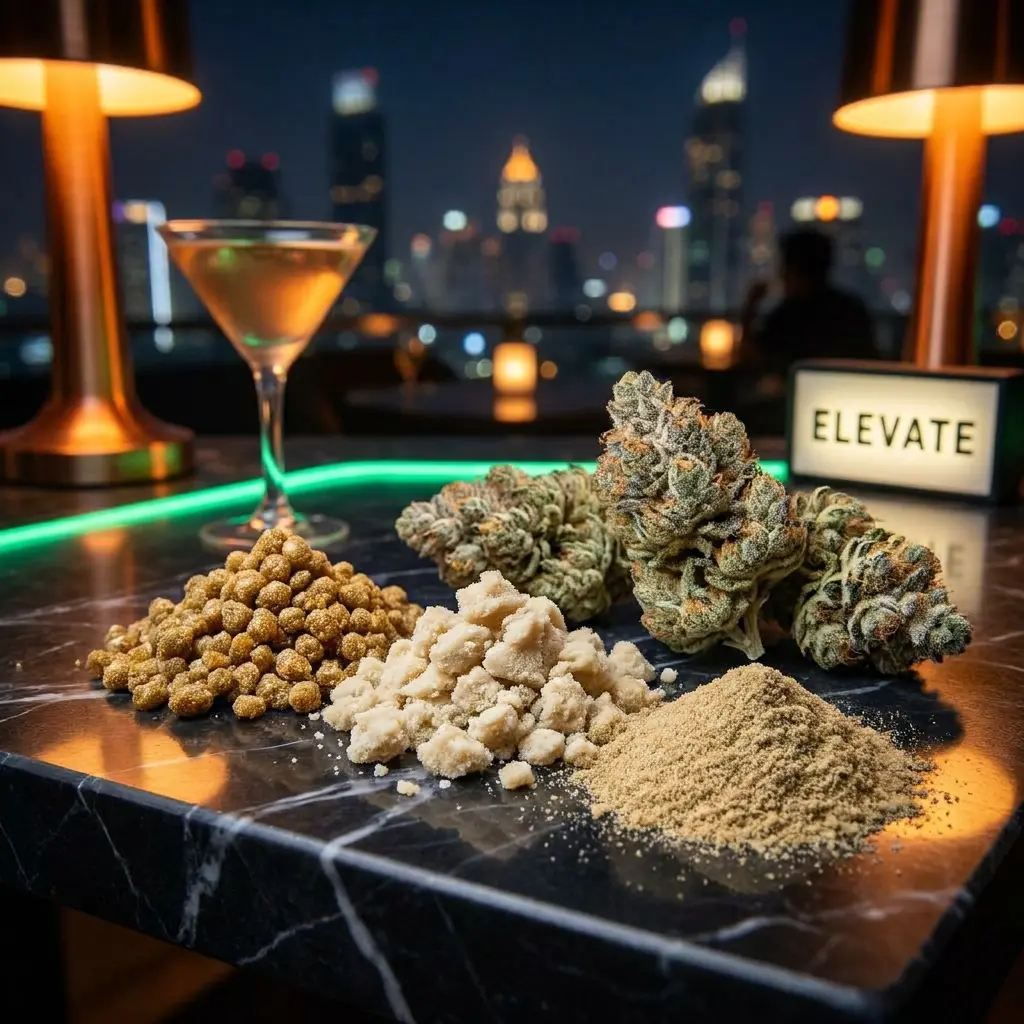
Hash is one of the oldest cannabis concentrates, but modern menus can make it sound more complicated than it is. If you’re asking what is hash, the short answer is: it’s concentrated cannabis resin, made by collecting and compressing the tiny trichome heads that hold much of the plant’s aroma, flavor, and cannabinoids. In Bangkok, you may see it listed as bubble hash, ice hash, dry sift, temple ball, or full-melt hash depending on how it was made and how refined it is. This guide explains the differences clearly, including how hash is made, what quality looks like, and how to approach it safely and realistically.
What Is Hash Made From?
Hash is made from trichomes, the sticky resin glands found mostly on cannabis flowers and smaller sugar leaves. These trichomes contain cannabinoids like THC and CBD, along with terpenes that give each strain its smell and flavor.
When cannabis flower is handled, dried, frozen, sifted, washed, or pressed, the trichome heads can separate from the plant material. Hash is the result of collecting those resin heads and forming them into a usable concentrate.
That is why hash usually feels stronger than standard flower. It removes much of the leafy material and concentrates the parts of the plant most responsible for potency and aroma. For anyone comparing flower, kief, rosin, and other cannabis extractions, hash sits in a useful middle ground: traditional, solventless, flavorful, and highly dependent on starting material quality.
Good hash is not just “strong weed dust.” It should reflect the strain it came from. A citrusy Thai-grown sativa may produce hash with brighter, sharper notes, while a gassy indica-leaning flower can create a heavier, earthier concentrate. The final result depends on genetics, freshness, handling, micron size, drying, curing, and storage.
Bubble Hash and Ice Hash: Are They the Same Thing?
Bubble hash and ice hash usually refer to the same general product: hash made through ice water extraction. The terms are often used interchangeably on dispensary menus, though some producers use them slightly differently.
Ice hash describes the method. Cannabis is mixed with cold water and ice so the trichomes become brittle and separate from the plant material.
Bubble hash describes the result. High-quality ice water hash can bubble, melt, or sizzle when exposed to heat because it contains a high concentration of clean resin heads with minimal plant contamination.
So if someone asks, “Are bubble hash and ice hash the same thing?” the practical answer is yes, most of the time. The better question is: what grade is it?
What Makes Bubble Hash “Bubble”?
Bubble hash gets its name from the way high-quality resin reacts to flame or heat. Cleaner hash with fewer contaminants may bubble or melt instead of burning like dry plant matter. This does not automatically mean every bubbling sample is top shelf, but melt behavior can be a useful quality clue.
Producers and experienced consumers often describe bubble hash by “melt grade”:
- Full-melt hash: Very clean resin that can vaporize or dab well, often leaving little residue.
- Half-melt hash: Good quality but with more plant matter, better suited for topping bowls or joints.
- Cooking-grade hash: Lower refinement, often used for edibles or infusions where texture matters less.
In Bangkok dispensaries, especially around Sukhumvit, Asok, and Phrom Phong, staff may not always use technical melt ratings. A more useful question is: “Is this better for smoking, vaping, dabbing, or mixing with flower?” That usually gets a more practical answer than asking only for the strongest option.
How Hash Is Made: Main Methods Explained
The hash extraction process is mostly about separating trichomes from plant material without destroying their quality. The best method depends on whether the maker wants old-school texture, clean melt, strong flavor, or high yield.
Dry Sift Hash vs Bubble Hash
Dry sift hash is made by rubbing or shaking dried cannabis over fine screens. The trichomes fall through while larger plant material stays behind. The collected resin powder is often called kief before it is cleaned or pressed.
Bubble hash uses ice water instead of dry screens alone. Cold temperatures make trichomes snap off more easily, while filter bags separate the resin by size.
The difference is noticeable:
- Dry sift can be aromatic, traditional, and easy to sprinkle, but it may include more plant dust if not refined well.
- Bubble hash can be cleaner and more meltable, especially when made from fresh frozen flower.
- Dry ice hash is different again. It can produce high yields quickly, but the aggressive freezing and agitation often break more plant material into the final product.
If you’re comparing dry sift hash vs bubble hash on a menu, dry sift often suits joints and bowls, while high-grade bubble hash is better for flavor-focused sessions or concentrate-friendly setups.
How Bubble Hash Works
Bubble hash is made using ice, water, agitation, and micron filter bags. No chemical solvent is needed, which is why it is often called solventless hash.
The basic process looks like this:
- Cold preparation: Cannabis flower, trim, or fresh frozen material is chilled. Cold helps preserve trichomes and reduce greasy smearing.
- Ice water wash: The material is gently agitated in cold water with ice. This knocks resin heads away from the plant surface.
- Micron filtration: The water is passed through bubble bags with different micron sizes. Each bag catches different grades of resin.
- Collection: The resin is carefully scraped from each screen.
- Drying: The wet hash must be dried thoroughly to prevent mold and preserve flavor.
- Curing or storage: Finished hash may be pressed, aged, refrigerated, or frozen depending on the desired texture.
The ideal ice hash temperature is very cold but not carelessly frozen into a slush that damages quality. The goal is to keep trichomes brittle while avoiding over-agitation. Too much stirring breaks plant material into tiny particles, which lowers purity and can make the hash darker, harsher, or greener.
Does Bubble Hash Require Washing?
Yes. In this context, “washing” means agitating cannabis in ice water to separate the resin. It does not mean washing the product with soap or chemicals. A gentle wash usually produces cleaner resin, while aggressive washing may increase yield but reduce quality.
This is where craft hash makers differ from bulk producers. A careful first wash may capture the best flavor and lightest color. Later washes may produce more material but often with more plant contamination. On a premium menu, you may see separate pulls or micron ranges listed because each one has a different texture, aroma, and melt quality.
Hand Rolled Hash and the Hash Pressing Method
Traditional hand rolled hash, sometimes associated with charas-style production, is made by rubbing fresh cannabis flowers between the hands until resin builds up, then rolling it into balls or sticks. This creates a dark, sticky, aromatic hash with a very different character from modern ice water hash.
Pressed hash is made by applying pressure, warmth, or both to kief or sifted resin. Pressing changes the texture and can darken the color as resin glands rupture and oxidize. A light blonde sift can become a darker, pliable slab after pressing.
Darker hash is not automatically bad. It may be aged, pressed, hand rolled, or made from mature resin. But if it smells musty, feels overly damp, or has a harsh green taste, that can point to poor drying, plant contamination, or bad storage.
Kief vs Hash, Hash Oil vs Hash, and Hash vs Rosin
Many people use these terms loosely, but they are not the same.
Is Hash the Same as Kief?
No. Kief is loose, unpressed trichome material. You often see it collected in the bottom chamber of a grinder. Hash is kief or resin that has been refined, compressed, washed, or otherwise processed into a more concentrated form.
Think of kief as the raw ingredient and hash as the finished concentrate. High-quality dry sift can be very close to hash, but loose grinder kief usually contains more plant dust and mixed particle sizes.
Hash Oil vs Hash
Hash oil usually refers to cannabis oil extracted with a solvent or processed into a viscous oil form. Examples include some vape oils, BHO, distillate, or other oil-based concentrates.
Hash is usually solid or semi-solid resin, especially when made by dry sift or ice water methods. Traditional hash and bubble hash are not oils, although high-grade full-melt hash can liquefy under heat.
Hash vs Rosin vs Resin
Rosin is made by pressing cannabis flower, kief, or hash with heat and pressure to squeeze out resin-rich oil. Live resin is usually made with solvents from fresh frozen cannabis. Bubble hash is often used as the starting material for premium hash rosin, which is why many concentrate buyers compare rosin vs. hash concentrates when choosing between texture, flavor, and price.
For a simple comparison:
- Hash: Collected resin heads, often solventless, traditional or modern.
- Bubble hash: Ice water hash separated through micron bags.
- Rosin: Pressed resin oil made with heat and pressure.
- Live resin: Solvent-based extract made from fresh frozen cannabis.
If flavor is your priority, well-made bubble hash or hash rosin can be excellent. If convenience is your priority, traditional pressed hash may be easier to handle, especially when mixed with flower.
Hash Flavor, Potency, Yield, and Quality
Hash potency varies widely. Lower-grade pressed hash may be only moderately stronger than flower, while clean full-melt bubble hash can be much more intense. Ice hash potency depends on the strain, trichome maturity, micron selection, and how much plant matter remains in the final product.
If you are newer to concentrates, assume hash is stronger than flower and pace yourself. Bangkok cannabis menus can be exciting, especially in tourist-heavy areas like Nana, Asok, and lower Sukhumvit, but stronger does not always mean more enjoyable. A small amount of good hash can change the whole session.
What Quality Hash Usually Looks and Smells Like
Quality hash often has a clear aroma that reflects the source flower. It may smell fruity, spicy, creamy, earthy, piney, floral, or gassy. The texture can range from sandy and granular to sticky, greasy, pliable, or solid.
Useful quality signs include:
- Clean aroma: Strain-specific smell without mildew, ammonia, or stale grass notes.
- Appropriate dryness: Not wet or sweating in a way that suggests trapped moisture.
- Minimal green color: Too much green can mean excess plant contamination.
- Good melt behavior: Higher-grade hash should soften, bubble, or melt rather than simply char.
- Careful storage: Properly kept hash should not look dusty, crusty, or overly degraded.
Why Is Hash Sometimes Dark?
Hash can be dark for several reasons. It may have been pressed, aged, warmed, oxidized, or made using hand rolling methods. Darker color can also come from older starting material or more plant matter in the final product.
Color alone is not enough to judge quality. Some excellent traditional hash is dark and aromatic. Some pale hash looks attractive but has weak flavor. Smell, texture, melt, and cleanliness matter more than color by itself.
Hash Yield and Quality Trade-Offs
Higher yield does not always mean better hash. A producer can wash longer or agitate harder to collect more resin, but that may pull in broken plant particles. Cleaner hash usually requires patience, gentle handling, proper freezing, careful micron separation, and slow drying.
This is why premium bubble hash often costs more than basic pressed hash. A lot of plant material may produce only a small amount of top-grade resin, especially if the strain does not “wash” well. Some cultivars look frosty but do not release trichomes efficiently in ice water.
How to Use Hash in Bangkok: Practical Guidance
Hash can be smoked, vaporized, dabbed, or infused, depending on the grade and texture. The best method depends on whether the hash is full-melt, sticky, dry, crumbly, or pressed.
Common ways to use hash include:
- Mixed with flower: Crumble or roll a small amount into a joint or bowl.
- On top of a bowl: Add a small piece over flower so it burns more evenly.
- With a vaporizer: Use only if your device is suitable for concentrates or hash pads.
- Dabbing: Best for clean full-melt hash or hash rosin, not plant-heavy hash.
- Edibles: Hash can be infused, but dosing must be handled carefully.
For many casual users, using hash with a bong is the simplest approach: place flower underneath, add a small amount of hash, and let the flower help it burn evenly. Avoid packing a huge chunk by itself, because it may smolder poorly or hit harder than expected.
Full-melt bubble hash and rosin-style products are better suited to dab rigs for hash and concentrates, but temperature control matters. Too hot and you burn off flavor. Too cool and the concentrate may puddle without vaporizing properly.
Bangkok Etiquette and Beginner Pacing
Bangkok cannabis culture varies a lot by neighborhood. Around Nana and lower Sukhumvit, the atmosphere can feel tourist-facing and casual. In Thonglor, Ekkamai, and Phrom Phong, lounges often lean more discreet, polished, and slower-paced. Staff may expect customers to ask questions rather than rush into the strongest product.
Hash is not always the best first cannabis experience. If you are visiting Thailand and already dealing with heat, jet lag, strong food, alcohol, or a long BTS ride back to your hotel, start smaller than you think. Concentrates can creep up quickly, especially when layered with strong flower.
Also be mindful of where you consume. Thailand’s cannabis rules and enforcement expectations have shifted over time, and public nuisance complaints can still create problems. Private, well-ventilated, cannabis-friendly spaces are the safer and more respectful choice. Do not travel internationally with hash or any cannabis product.
Hash Curing and Storage: How Long Does Hash Last?
Hash can last for months or longer when stored properly, but quality slowly changes with heat, oxygen, light, and moisture. Bangkok’s climate makes storage more important than in cooler, drier cities. Heat and humidity can flatten terpene flavor, soften texture, and increase the risk of mold if the hash was not dried correctly.
For best results:
- Keep it cool: Refrigeration is useful for longer storage, especially for bubble hash.
- Limit air exposure: Use airtight glass or quality concentrate containers.
- Avoid sunlight: Light speeds up degradation.
- Control moisture: Never store wet or poorly dried hash in a sealed warm container.
- Handle gently: Warm fingers can smear high-grade resin and reduce texture quality.
Pressed traditional hash is often more stable at room temperature than loose bubble hash, but “room temperature” in Bangkok can mean something very different from a cool European apartment. If your room gets hot during the day, cool storage is the better option.
FAQ: Bubble Hash, Ice Hash, and Cannabis Concentrate Hash
Are bubble hash and ice hash the same thing?
Usually, yes. Both terms commonly describe hash made by separating cannabis trichomes with ice water and filter bags. “Ice hash” emphasizes the method, while “bubble hash” often refers to the melt quality of the finished product.
How potent is ice hash?
Ice hash is usually stronger than flower, but potency varies by strain, micron grade, and purity. Lower-grade hash may feel only somewhat stronger than flower, while full-melt bubble hash can be very powerful. Beginners should start with a small amount.
Is ice hash just kief?
No. Kief is loose trichome material, often collected dry. Ice hash is made through cold water separation and micron filtration. It is usually cleaner and more refined than basic grinder kief.
How do you make bubble hash at home?
Where legally allowed, bubble hash is made by gently washing cannabis in ice water, filtering the resin through micron bags, collecting it, and drying it thoroughly. The drying step is critical. Poorly dried hash can develop mold or lose flavor quickly.
Is bubble hash stronger than flower?
Yes, in most cases. Bubble hash concentrates the resin-rich trichomes, so it usually contains more cannabinoids per gram than cannabis flower. Strength depends on quality, cleanliness, and the original strain.
How should hash be stored in Thailand’s climate?
Keep hash cool, sealed, and away from direct sunlight. In Bangkok’s heat and humidity, refrigeration is often better for bubble hash and other delicate solventless products. Let the container warm slightly before opening to reduce condensation.
Final Thoughts
Hash is simple at its core: concentrated cannabis resin. The details matter, though. Bubble hash, ice hash, dry sift, pressed hash, and hand rolled hash each offer a different texture, flavor, and use case. In Bangkok, the smartest approach is to ask how the hash was made, how it should be consumed, and whether it suits your tolerance. Good hash rewards patience, proper storage, and smaller portions more than rushed, oversized sessions.